With the improvement of economic level, people's demand for home office furniture is increasing day by day, and the pursuit of furniture that is both comfortable and beautiful has become a new trend. However, the recovery of offline office has also led to a temporary decline in demand for office furniture. So, what is the real situation of the current global home office furniture market? What development trends will there be in the future? Next, we will delve into these issues in depth.
The current situation of the global home office furniture market
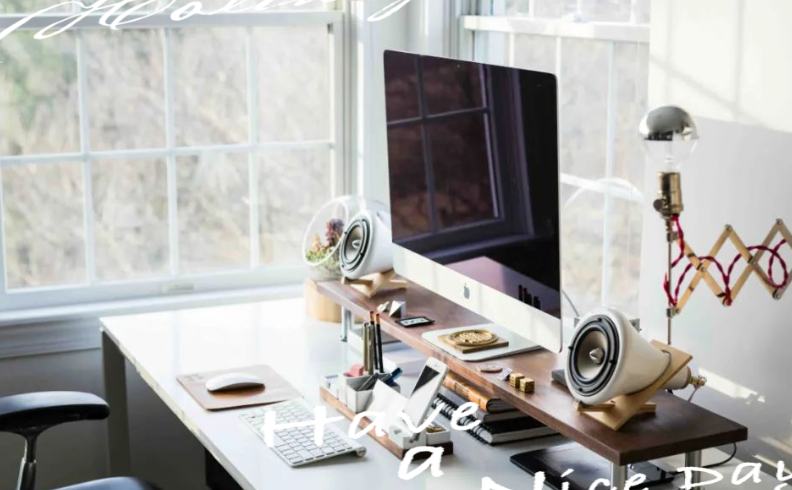
According to statistics, the global home office furniture market is expected to reach a staggering $4.1 billion in 2024 and is expected to continue expanding at a compound annual growth rate of 52% over the next five years. Although the market size in 2022 has slightly decreased compared to 2021, after excluding this abnormal peak, we observe that the global home office furniture market as a whole still maintains a steady growth trend.
By region, European and American countries are the main demand areas for home office furniture, with the US market being particularly prominent. Data shows that the size of the US home office furniture market has reached $1.5 billion in 2023, and it is expected to surge to $22.8 billion by 2029.
Americans are enthusiastic about flexible and free work modes, which has driven the popularity of remote work in the United States and thus spawned a huge home office furniture market. Meanwhile, American consumers have stronger purchasing power for mid to high end brands, thanks to their developed economy and high per capita disposable income.
In Europe, Germany, Italy, and France are leading countries in the home office furniture market. These countries have a high demand for environmentally friendly and sustainable furniture, and the government also supports the development of green office furniture. Therefore, these markets have potential for cross-border sellers.
The Asia Pacific region, especially China, Japan, and India, is the fastest-growing market for home office furniture. This is mainly attributed to the economic growth and urbanization process of these countries. In contrast, the home office furniture market in Latin America, the Middle East, and Africa is still in its infancy and has a relatively small overall scale.
From the perspective of segmented categories, home office furniture mainly includes two categories: bookcases and filing cabinets, and desks and chairs. Among them, desks and chairs dominate the market. According to statistics, the scale of these two major segmented markets will reach 1.7 billion US dollars and 3.9 billion US dollars respectively in 2023, accounting for nearly three-quarters of the total market sales.
In terms of sales channels, although offline physical stores are still the main sales method, with the popularity of online shopping and the advantages of convenient browsing and comparison, online sales are gradually occupying a larger market share. In order to reduce costs and improve sales efficiency, more and more brands are trying the experience store model, which involves opening small-scale experience stores offline to attract customers to complete purchases online.
Consumer Trend Analysis
Ergonomic design: With the improvement of health awareness and the extension of office hours, consumers are increasingly concerned about the health problems caused by prolonged sitting. Therefore, the sales of products such as ergonomic desks with adjustable height and standing desks have significantly increased.
Multi functional and space saving design: Urbanization has compressed home space, and consumers are more inclined to choose office furniture that can save space, such as folding tables and chairs and wall mounted tables. Meanwhile, multifunctional office furniture that meets diverse office needs, such as multifunctional display stands, is increasingly favored by consumers.
Smart furniture: Smart office furniture is highly favored by consumers who pursue innovative technology due to its convenience and high-tech feel. For example, smart office furniture products such as chairs with charging ports, wireless charging functions, built-in LED lights, and intelligent adjustment functions are popular in the market.
Personalized and customized furniture: Consumers are increasingly looking to purchase office furniture that meets their specific needs and preferences, such as specific sizes, colors, or materials. This not only enhances the comfort of use, but also integrates more with the overall home environment, meeting consumers' pursuit of uniqueness and exclusivity.
Challenges faced in going out to sea
Cultural and Consumer Differences:
Consumers from different countries have unique preferences for the size, color, and material of office furniture. At the same time, due to differences in usage habits, they also exhibit different characteristics in their design needs for office furniture. Therefore, when cross-border sellers enter overseas markets, how to deeply understand and meet these diverse needs, and avoid market discomfort caused by cultural differences, has become an important issue they face.
High transportation costs:
Office furniture products have a large volume and heavy weight, which results in relatively high transportation costs. Even during non peak hours, transportation costs are still high. For cross-border sellers, how to cover these costs within a limited profit margin has become a practical problem they need to solve.
Difficulties in after-sales service:
When selling high priced office furniture overseas, after-sales service often becomes a major challenge. Due to high transportation costs, handling any product issues becomes more complex and difficult. This may not only affect consumers' purchasing experience, but also damage the seller's brand image.
Do you need any help?
Our team is ready to answer any questions you may have regarding our products and services.
CONTACT