1. Intelligence and technological innovation
The office furniture industry is accelerating its transformation towards intelligence, with products such as smart office desks and chairs, multifunctional screens, etc. achieving human-machine interaction and autonomous control through integrated sensors, artificial intelligence, and other technologies. For example, electric desks and smart seats can adjust height or monitor sitting posture through mobile applications, improving office efficiency and comfort. At the same time, the production end has also ushered in intelligent upgrades, such as the popularization of intelligent production lines and robot automation production lines, promoting the transformation of furniture manufacturing towards "smart factories".
2. Green environmental protection and sustainable development
The tightening of environmental policies and the increasing awareness of environmental protection among consumers are driving the industry towards the development of green materials and circular economy models. Wooden furniture still dominates due to its natural beauty, but companies tend to use recyclable materials such as solid wood and recycled plastics, and follow green production standards to reduce energy consumption. The government encourages enterprises to develop environmental protection technologies through tax incentives and subsidies, further strengthening the sustainability of the industry.
3. Customization and personalized needs
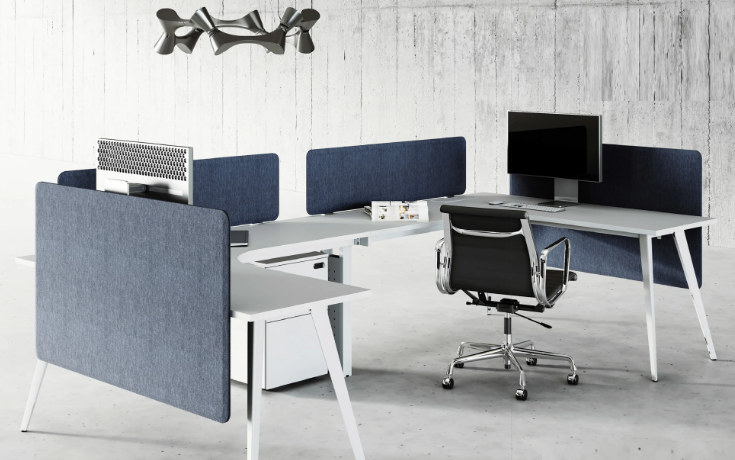
The surge in demand for personalized and multifunctional office spaces from enterprises has driven the rapid growth of the customized furniture market. Consumers can quickly customize products through AI algorithms and flexible production lines, such as modular office desks, adjustable storage cabinets, etc., to meet the needs of different scenarios. This trend is particularly prominent in the commercial market, such as companies customizing office environments that conform to brand culture.
4. Integration of online and offline channels
The rise of e-commerce channels has changed traditional sales models, and online platforms have become an important way for enterprises to expand their markets. It is predicted that the proportion of online sales will further increase by 2025, and enterprises will integrate offline experience and online convenience through O2O mode to optimize customer service and brand reach. For example, some brands use virtual reality (VR) technology to allow customers to preview furniture layout effects online.
5. Increased market competition and brand concentration
Domestic and international brand competition is intensifying, and leading enterprises are accelerating their market share by leveraging their research and development capabilities and supply chain advantages. For example, companies such as Henglin and IKEA consolidate their positions through high-end and differentiation strategies, while small and medium-sized enterprises focus on niche markets or compete through cost-effectiveness. The trend of industry consolidation is evident, and it is expected that top companies will occupy a larger share in the future.
6. International market expansion and export advantages
As the world's largest producer and exporter of office furniture, China's export value reached 374.6 billion US dollars in 2022, mainly targeting markets such as the United States and Germany. Domestic enterprises are accelerating their overseas expansion by leveraging their cost-effectiveness and intelligent products. Brands such as Hongya CNC are expanding their international influence through localized dealer networks.
7. Health and ergonomic design
The growing demand for ergonomic products is driven by consumers' concern for a healthy office environment. For example, products such as office chairs with lumbar support and adjustable desks have become market hotspots, and some companies have also incorporated health monitoring functions into furniture design to alleviate sedentary fatigue.