Market Hotspots of Six Major Industries for Customized Solid Wood Furniture in the Second Half of 2026
Hot Topic 1: Green environmental protection and low-carbon solid wood are experiencing intense competition (driven by policies)
1. Painting iteration: Water-based paint, food-grade wood wax oil, and paint-free vacuum coating have become standard configurations, accelerating the elimination of traditional oil-based paint production capacity;
2. Carbon footprint accounting: Leading rosewood and whole wood enterprises implement a ledger for timber carbon storage, creating differentiated premiums for low-carbon solid wood products;
3. Popularization of forest certification: FSC and CFCC domestic forest certification have become mandatory prerequisites for high-end customization and foreign trade orders, without which high-end channels will be lost.
Hotspot 2: Explosion of solid wood whole-house decoration/customized solid wood furniture (mainstream consumption)
Market data: Solid wood customization accounts for over 40% of the industry scale, with orders for improved models and large-scale villas being concentratedly released during the peak home decoration season of the "Golden September and Silver October" in the second half of the year;
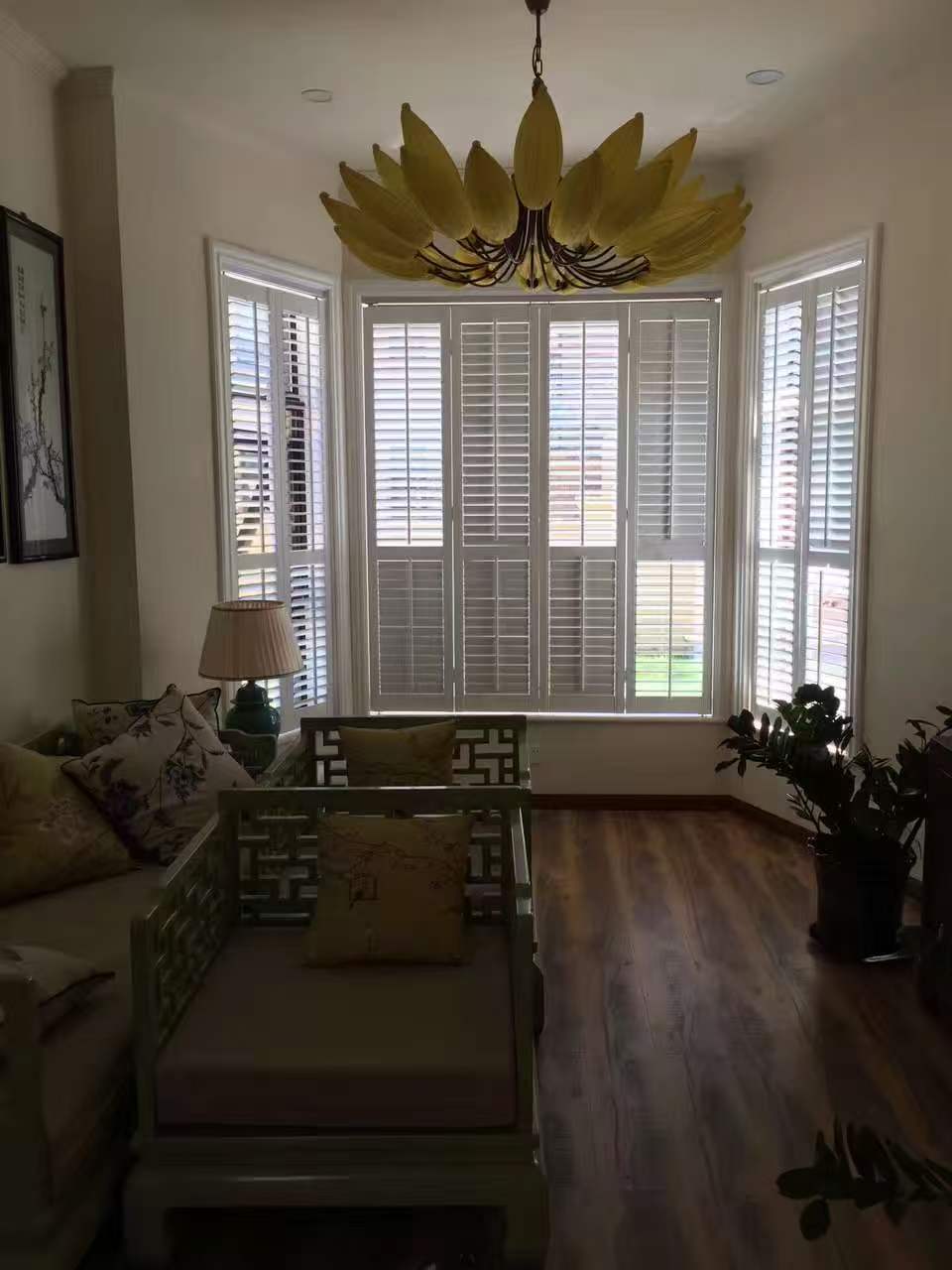
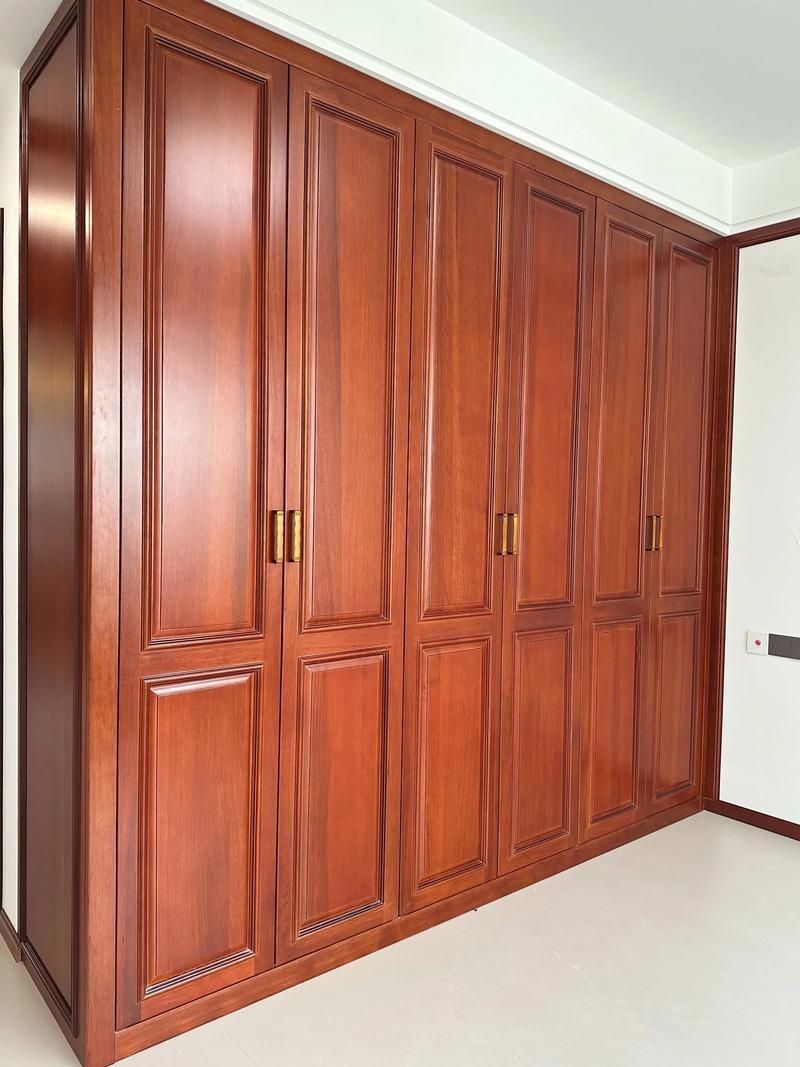
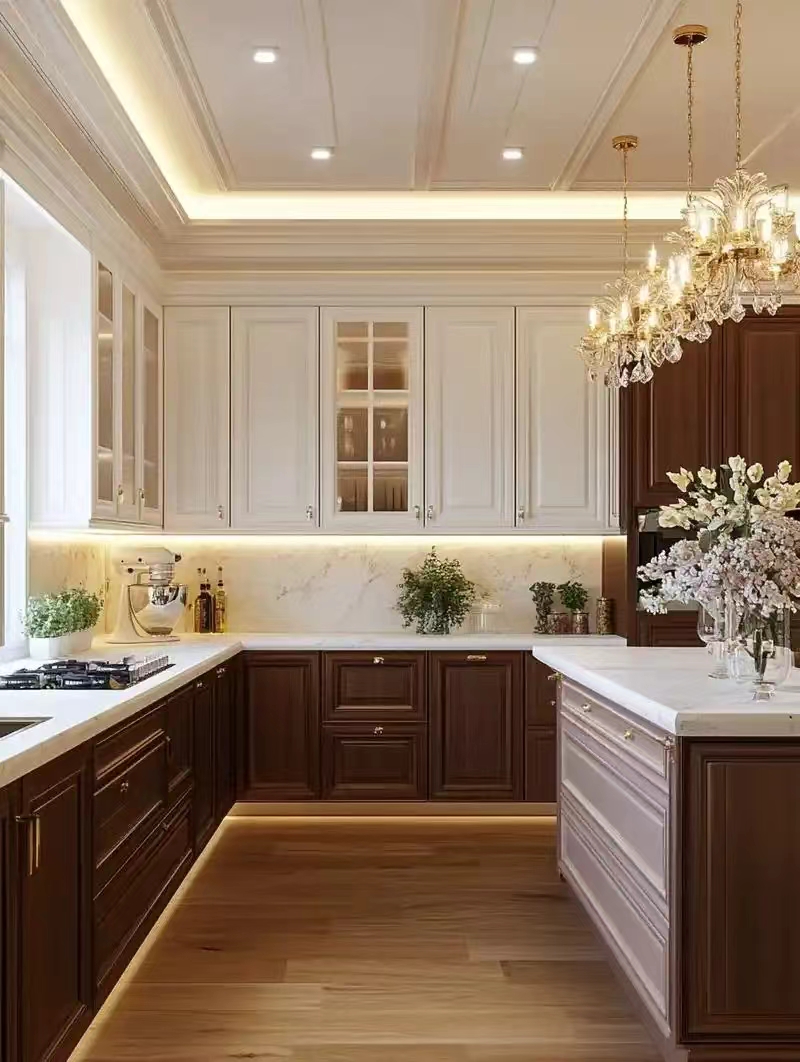
Product Trends: Three major styles lead the way: one-door-to-ceiling solid wood cabinets, minimalist yet luxurious solid wood, and new Chinese-style solid wood;
Service Highlight: The widespread adoption of QR codes for material traceability, allowing users to scan and access information such as wood origin, customs declaration, moisture content testing, and environmental reports. This addresses consumers' trust concerns regarding "imitation wood posing as genuine solid wood".
Hotspot 3: China-Chic's New Chinese Style Solid Wood + Lightweight Solid Wood Dual-Line Growth
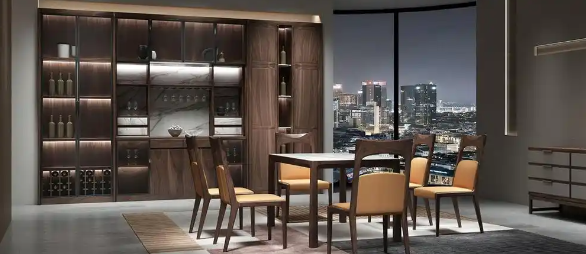
1. High-end track: New Chinese-style rosewood and black walnut solid wood tea space, study room with whole wood, benefiting from cultural consumption upgrade;
2. Mass Market Track: Nordic and Italian minimalist white oak/white wax solid wood furniture caters to the rigid demand and young improving groups, with an increase in lightweight and small-sized solid wood popular items;
3. Harness the dividends of adaptable solid wood: With the support of policy subsidies, adjustable solid wood tables and chairs, round-cornered safe solid wood beds, and barrier-free solid wood cabinets have become the main products promoted in offline stores.
Hotspot 4: Digital Smart Manufacturing Transformation of Solid Wood (Factory-side Hotspot)
1. CNC cutting, fully automatic drying, and robotic sanding equipment have been introduced to medium-sized solid wood factories, addressing the pain points of wood cracking and dimensional errors;
2. Digital moisture content control (within the national standard range of 8%-12%) has become a core selling point of the product, significantly reducing after-sales complaints about cracking;
3. Customized digitalization of live streaming: Online 3D solid wood modeling, real-time wood selection, and the popularization of quotation systems are squeezing the profits of offline dealers through the live streaming and direct selling model of source factories.
Hotspot 5: Restructuring and Boutique Development of the Redwood Industry (Catalyzed by the New National Standard in July)
1. Merchants posing low-end mixed wood as rosewood are being eliminated, and the industry is shifting towards competition based on authenticity, craftsmanship, and white skin control;
2. Sales of lightweight small pieces made of rosewood (such as tea trays, ornaments, and small leisure chairs) have increased, while large pieces of collectible rosewood have remained stable;
3. Standardization of rosewood provenance and authentication certificates, with third-party material testing becoming a necessary proof for transaction completion.
Hotspot 6: Export market differentiation, adjustment of domestic and international dual circulation
1. EU market: Due to the dual high standards for formaldehyde and wood traceability, only top eco-friendly factories can consistently receive orders;
2. Southeast Asian and Middle Eastern markets: The growth of cost-effective solid wood orders for rigid demand has become a new growth point in foreign trade;
3. Domestic sales replacing exports: Factories that have shifted from foreign trade to domestic sales are focusing on the prefabricated furniture and county-level home furnishing markets, where the demand for solid wood products in the lower-tier markets is rapidly increasing.
Summary of core business trends in the second half of the year
1. Compliance First: With the new national standard for redwood furniture in July, the new EU formaldehyde regulations in August, and mandatory E0 inspection in China, non-compliant small and medium-sized enterprises face production halts and penalties;
2. Product segmentation: High-end products focus on environmental protection, traceability, and comprehensive services; the mass market emphasizes lightweight, affordable domestic hardwood products to reduce dependence on high-priced imported timber;
3. Channel switching: The three channels with the strongest growth potential are the renovation and refurbishment of existing housing, direct supply from live streaming sources, and county-level home furnishing stores;
4. Cost pressure: With the rising investment in imported hardwood, eco-friendly coatings, and eco-friendly equipment, the industry is accelerating the elimination of low-price and low-quality production capacity, and the pricing system is gradually returning to quality-based pricing.